



Description
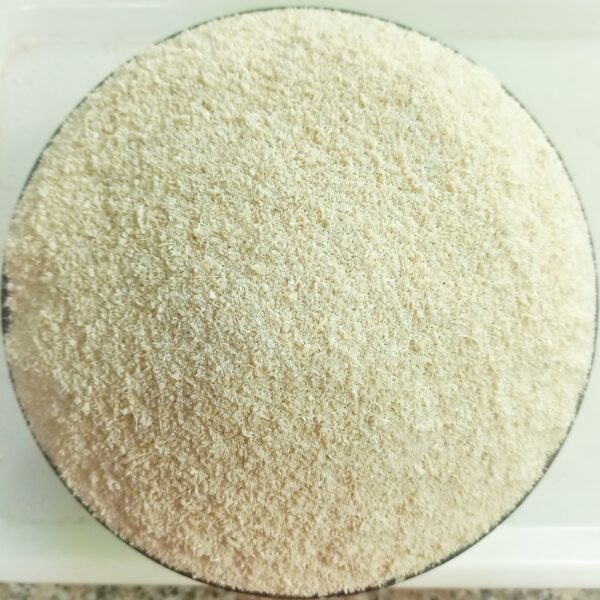
Ijebu Garri is a distinct variety of garri (fermented and roasted cassava granules) that originates from the Ijebu people of Ogun State in southwestern Nigeria. It is well known across Nigeria and West Africa for its unique taste, texture, and sourness.
Key Characteristics of Ijebu Garri:
-
Taste:
-
Highly sour due to extended fermentation (usually 4–7 days), which sets it apart from other types of garri.
-
This sourness makes it especially desirable for drinking (commonly soaked in water with sugar, milk, groundnuts, or coconut).
-
-
Texture:
-
Very fine and crisp granules.
-
It becomes smooth quickly when soaked, making it easy to swallow and digest.
-
-
Color:
-
Typically white or off-white, though sometimes it may have a slightly yellow hue if palm oil is added during processing (less common with Ijebu Garri).
-
-
Processing Method:
-
Made through a longer fermentation and roasting process.
-
The cassava mash is allowed to ferment longer than other varieties to achieve the signature sour taste.
-
-
Uses:
-
Soaking: Often consumed as a snack or light meal by soaking in cold water.
-
Eba: Can also be used to make eba, though some people prefer less sour garri types for this purpose.
-
-
Popularity:
-
Ijebu Garri is highly sought after and often considered premium garri due to its quality and distinctive flavor.
-
Even outside the Ijebu region, many Nigerians seek it out for its superior drinking qualities.
-
Cultural Note:
Among the Yoruba people, particularly the Ijebu, garri is not just a staple food but part of local pride. The Ijebu are known for their skill in producing this type of garri to a high standard.