


Description
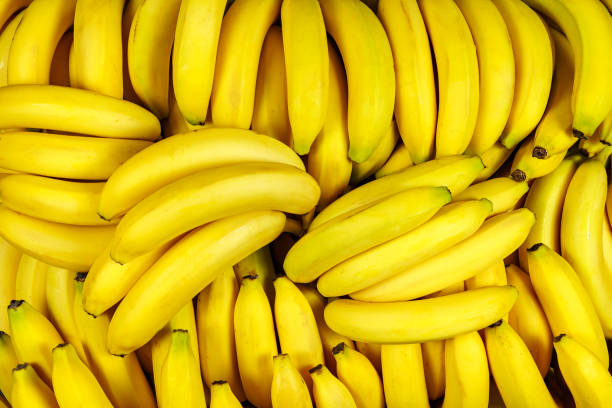
Bananas are a popular tropical fruit known for their sweet taste, soft texture, and convenient natural packaging. Here’s a breakdown of their key characteristics:
Basic Description:
-
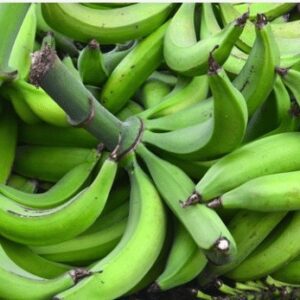
Shape & Color: Bananas are typically long and curved, with a thick peel that turns from green (unripe) to yellow (ripe), and eventually to brown (overripe).
-
Taste: Ripe bananas are sweet and creamy; underripe ones are firmer and slightly starchy.
-
Texture: Smooth and soft when ripe, with a flesh that’s easy to mash or slice.
Nutritional Value:
-
Rich in: Potassium, vitamin B6, vitamin C, dietary fiber, and carbohydrates.
-
Low in: Fat and protein.
-
Health benefits: Bananas support heart health, digestion, and provide quick energy.
Botanical Info:
-
Scientific name: Musa spp.
-
Plant type: Technically a large herb, not a tree, with a “pseudostem” made of tightly packed leaf bases.
-
Growth: Grows in warm, tropical climates.
Uses:
-
Eaten raw as a snack.
-
Used in smoothies, baked goods (like banana bread), cereals, and desserts.
-
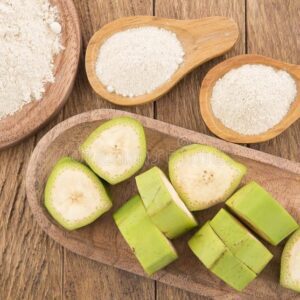
Green bananas and plantains are cooked and used in savory dishes in many cultures.
Fun Facts:
-
Bananas don’t grow on trees — the plant is the world’s largest herb.
-
The banana plant reproduces through offshoots called suckers.
-
Cavendish is the most common commercial banana variety.